AS9100 Nonconformance: Understanding, Managing, and Preventing Quality Issues

AS9100 Nonconformance: Understanding, Managing, and Preventing Quality Issues

In an AS9100 quality management system, nonconformances are inevitable. What separates effective aerospace organizations from struggling ones is how those nonconformances are identified, documented, investigated, and resolved. AS9100 requires organizations to establish processes for controlling nonconforming outputs to prevent unintended use or delivery of products that do not meet specified requirements. Proper management of nonconformances […]

AS9100: Building a Quality Management System That Supports Aerospace Growth

AS9100: Building a Quality Management System That Supports Aerospace Growth

For aerospace manufacturers and suppliers, AS9100 is more than a certification requirement. It is a framework designed to improve product quality, reduce risk, strengthen customer confidence, and create consistent business processes across an organization. Based on ISO 9001, AS9100 adds aerospace-specific requirements focused on operational control, risk management, configuration management, product safety, counterfeit parts prevention, […]

AS9100 Clauses List Explained Clear Breakdown of Clauses 4–10

AS9100 Clauses List Explained Clear Breakdown of Clauses 4–10

Introduction The AS9100 clauses list defines the structure of an aerospace quality management system. Clauses 4 through 10 contain all auditable requirements. Understanding how these clauses interact improves implementation, audit readiness, and long-term system effectiveness. AS9100 clauses list overview AS9100D follows the ISO high-level structure. Clauses 0–3 provide scope, references, and definitions but do not […]

Do You Have to Answer an AS9100 Audit OFI?

Do You Have to Answer an AS9100 Audit OFI?

During an AS9100 audit, organizations often receive OFIs, or Opportunities for Improvement. These can cause confusion because they appear in audit reports alongside nonconformities but carry a very different meaning and obligation. The short answer is no. You are not required to formally answer or close an OFI in the same way as a nonconformity. […]

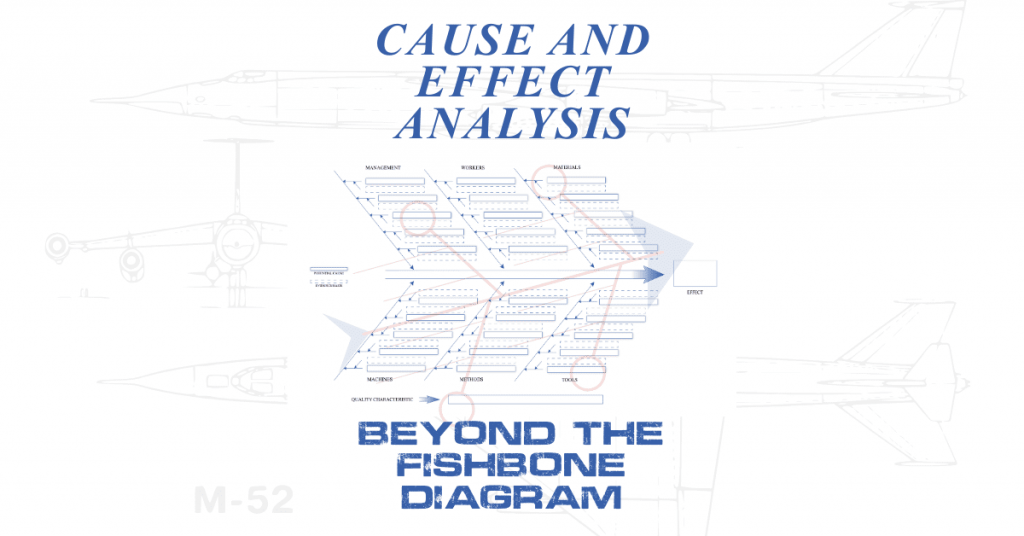
Cause and Effect Analysis: Beyond the Fishbone Diagram

Cause and Effect Analysis: Beyond the Fishbone Diagram

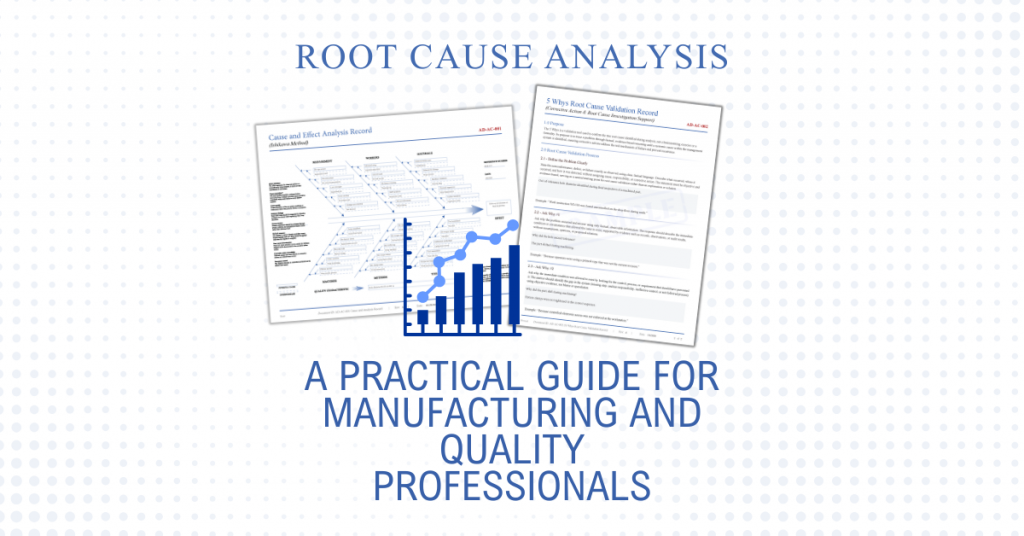
Cause and effect analysis is one of the most widely recognized methods used in quality management to understand why problems occur. Commonly associated with the Ishikawa or fishbone diagram, the method provides a structured way to examine how multiple factors may contribute to an undesired outcome. Despite its familiarity, the method is often applied superficially. […]

How to Audit Top Management Per AS9100D Clause 5

How to Audit Top Management Per AS9100D Clause 5

Auditing top management under AS9100D clause 5 focuses on leadership behavior, accountability, and integration of the quality management system into business operations. The audit evaluates how executives actively lead and support the QMS through decisions, actions, and resource allocation. Clause 5 addresses leadership and commitment, the quality policy, and assignment of organizational roles and authorities. […]

AS9100D Shall Requirements Explained: Reference Guide for Aerospace & Defense Quality Teams

AS9100D Shall Requirements Explained: Reference Guide for Aerospace & Defense Quality Teams

Understanding AS9100D requirements remains one of the most common challenges for aerospace and defense suppliers. Clause language—especially the repeated use of shall, should, may, and can—creates uncertainty during audits and system implementation. Many nonconformities are linked to misunderstanding what the requirement actually demands rather than any breakdown in the process itself. When the language of […]

AS9100D Internal Audit Sampling: How Much Evidence Is Enough?

AS9100D Internal Audit Sampling: How Much Evidence Is Enough?

Understanding Sample Size in AS9100D Internal Audits AS9100D does not dictate how many records, parts, or transactions to sample during an internal audit. Instead, auditors must select a size sufficient to achieve audit objectives while considering process risk, past performance, and available evidence. The goal is to gather enough objective evidence to confirm conformity or […]

QMS: Questions to Ask for AS9100 Audit on Clause 9.2

QMS: Questions to Ask for AS9100 Audit on Clause 9.2

Clause 9.2 of AS9100 Rev D requires organizations to establish and maintain an internal audit program that ensures their quality management system (QMS) conforms to both the organization’s requirements and the standard itself. It also confirms that the QMS is effectively implemented and maintained. Internal audits are not just a certification checkbox. They are a […]

Unpacking the AS9100 Series PDCA Structure: A Powerful Cycle for Aerospace QMS

Unpacking the AS9100 Series PDCA Structure: A Powerful Cycle for Aerospace QMS

Introduction The AS9100 series of standards, which includes AS9100D, AS9110, and AS9120, is the aerospace industry’s foundation for quality management. Built upon ISO 9001, the AS9100 series strengthens requirements to address the high stakes of aviation, space, and defense manufacturing. At the heart of these standards lies the Plan Do Check Act (PDCA) structure, a […]