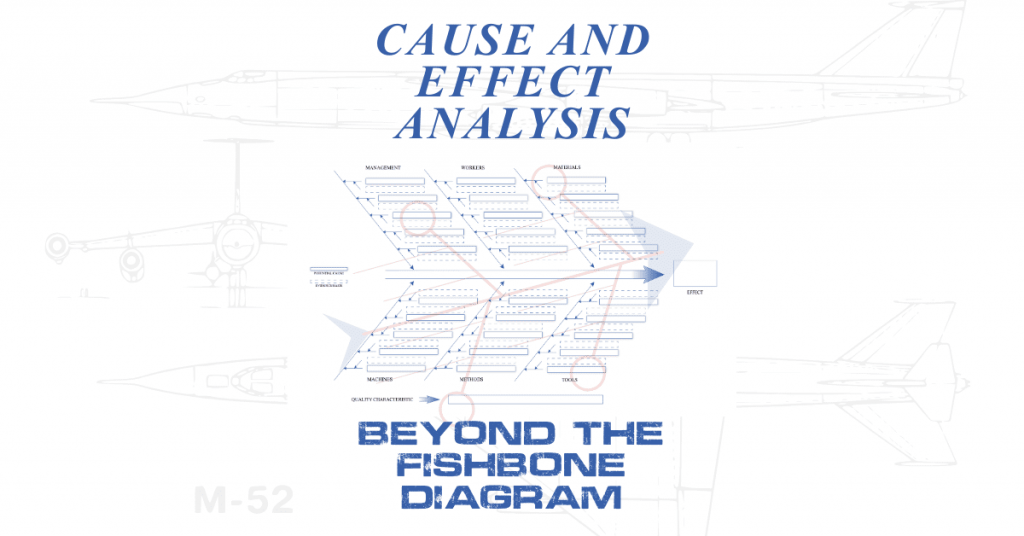
Cause and Effect Analysis: Beyond the Fishbone Diagram

Cause and Effect Analysis: Beyond the Fishbone Diagram

Cause and effect analysis is one of the most widely recognized methods used in quality management to understand why problems occur. Commonly associated with the Ishikawa or fishbone diagram, the method provides a structured way to examine how multiple factors may contribute to an undesired outcome. Despite its familiarity, the method is often applied superficially. […]
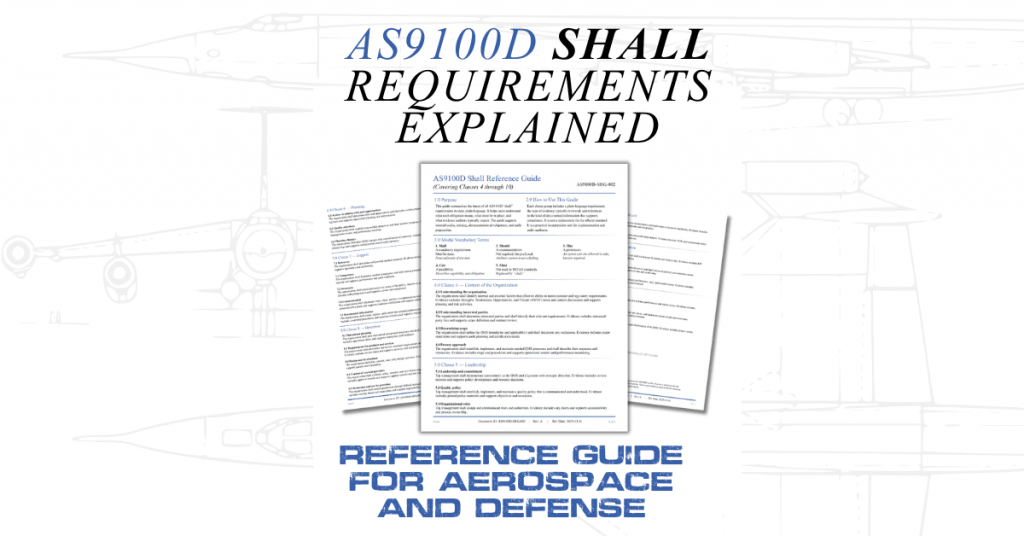
AS9100D Shall Requirements Explained: Reference Guide for Aerospace & Defense Quality Teams

AS9100D Shall Requirements Explained: Reference Guide for Aerospace & Defense Quality Teams

Understanding AS9100D requirements remains one of the most common challenges for aerospace and defense suppliers. Clause language—especially the repeated use of shall, should, may, and can—creates uncertainty during audits and system implementation. Many nonconformities are linked to misunderstanding what the requirement actually demands rather than any breakdown in the process itself. When the language of […]

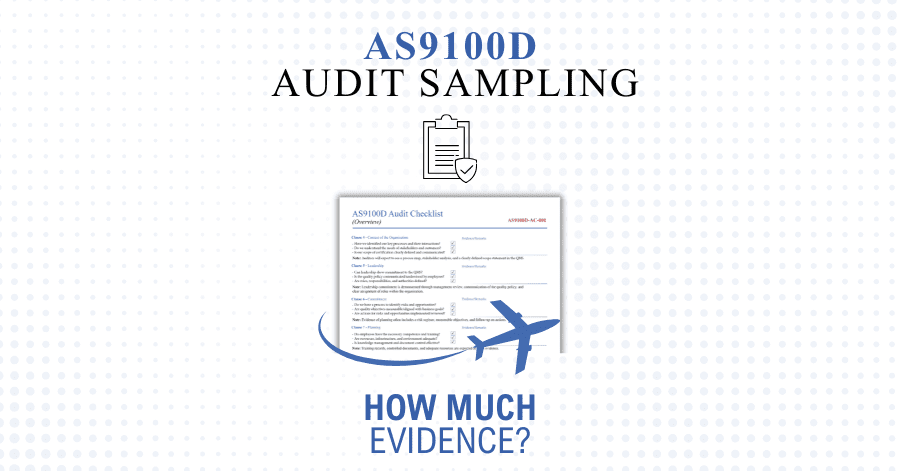
AS9100D Internal Audit Sampling: How Much Evidence Is Enough?

AS9100D Internal Audit Sampling: How Much Evidence Is Enough?

Understanding Sample Size in AS9100D Internal Audits AS9100D does not dictate how many records, parts, or transactions to sample during an internal audit. Instead, auditors must select a size sufficient to achieve audit objectives while considering process risk, past performance, and available evidence. The goal is to gather enough objective evidence to confirm conformity or […]